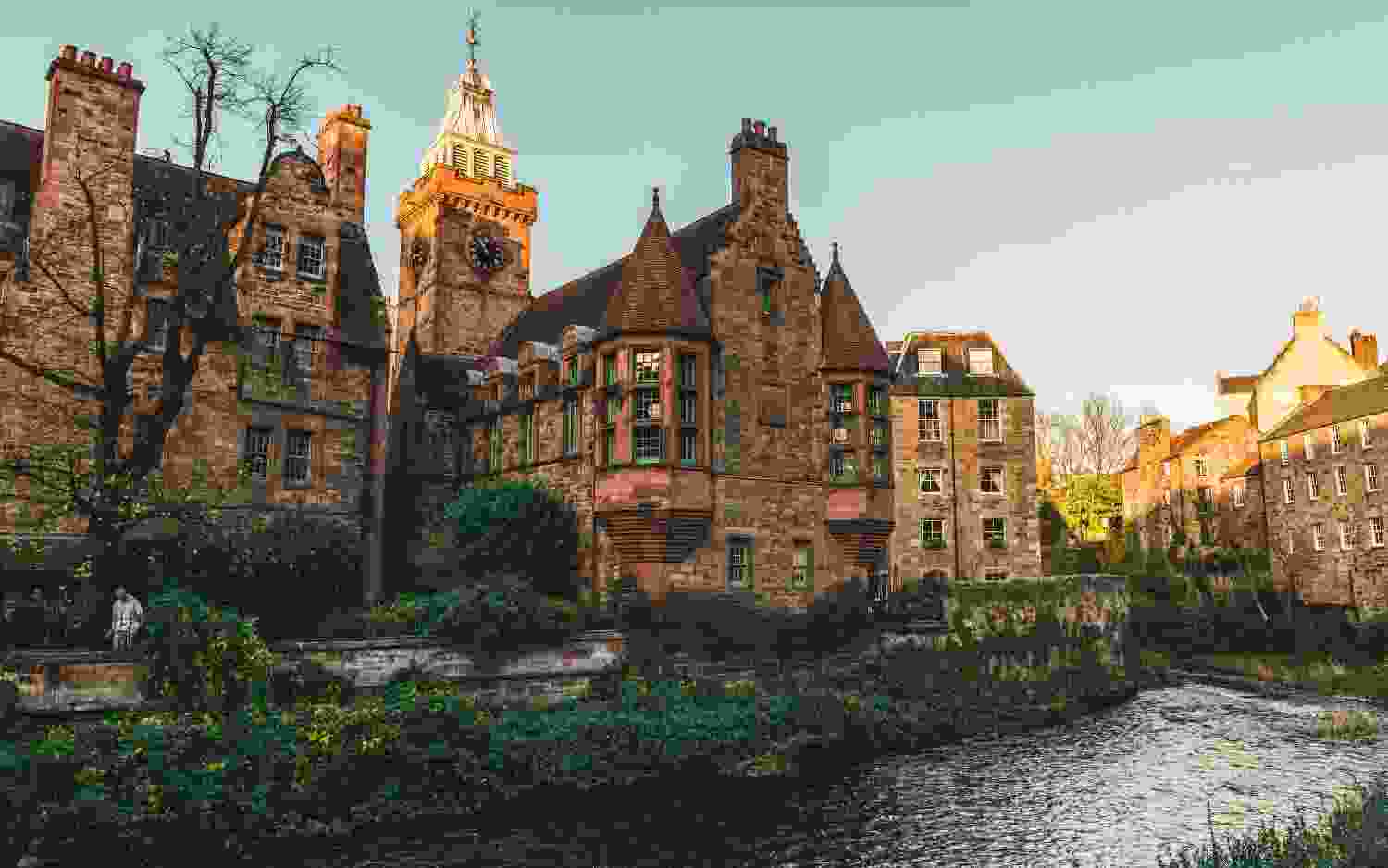
A friend of mine would send me a booking link every couple of months and ask if the flat is “central.Every couple of months a friend will send me a booking link and ask me if the flat is “central. Central to what? Edinburgh’s heart is a ridge, a valley and a terraced grid atop one another. On a map two addresses may be a mere 10 minutes’ walk from each other, one might be a few steps up or down and a puff of wind.
I had one experience in Marchmont and one in Leith, and through being in other people’s spare rooms as often as I have been I have some views on the rest. The following 10 areas are in approximately the order in which I would send a stranger.
10 Best Neighbourhoods to Stay in Edinburgh, Scotland
1. New Town
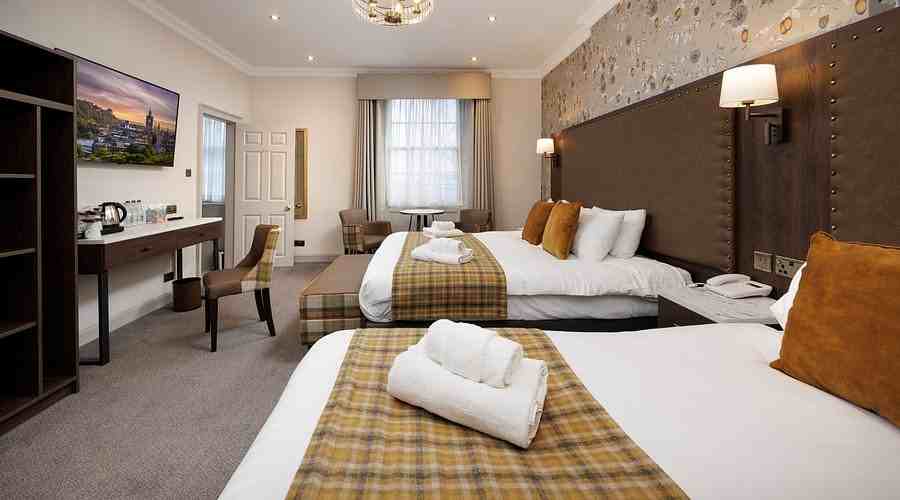
If you want the sensible answer, it’s the New Town. The Georgian grid north of Princes Street has wide pavements, flat streets (a relief after the Old Town) and most of the city’s proper hotels. Waverley is at the east end and the tram runs along Princes Street, so you can arrive and not think about transport again.
It isn’t the most exciting place to wake up, but it works in every season. In December it’s dark by about half past three and the New Town’s lit-up terraces and Christmas market make the afternoon feel like a reward. Hogmanay is the catch.
Roads around Princes Street and George Street close for the street party, so check in early and don’t plan on a taxi to the door. Look at the swirling hotel on top of the St James Quarter, which everyone calls the Walnut Whip, and you’ll know roughly where the east end begins.
The quiet streets are north of George Street, around Heriot Row and Queen Street Gardens. Rooms facing Princes Street get the buses and the weekend crowds.
2. Old Town
Two nights, three at a push, the Old Town is the version of Edinburgh you came for: closes, the castle on its rock, the Grassmarket below. It’s also the area where I’ve seen more first-time visitors lose their patience, usually around the third trip up Victoria Street with a suitcase. Wheeled luggage on cobbles at 6am sounds like a goods train.
The Royal Mile itself is mostly souvenir shops, locals use it as a route to somewhere else, and the good eating and drinking is a street or two off it. In August it’s wall-to-wall flyering and you can’t cross the road without being handed a show.
On a grey Tuesday in February you can have the whole ridge nearly to yourself, which is when I like it best. Ask for a back room on an upper floor. The Cowgate and Grassmarket stay loud late on Friday and Saturday, and the bar noise carries further than you’d expect.
3. Leith
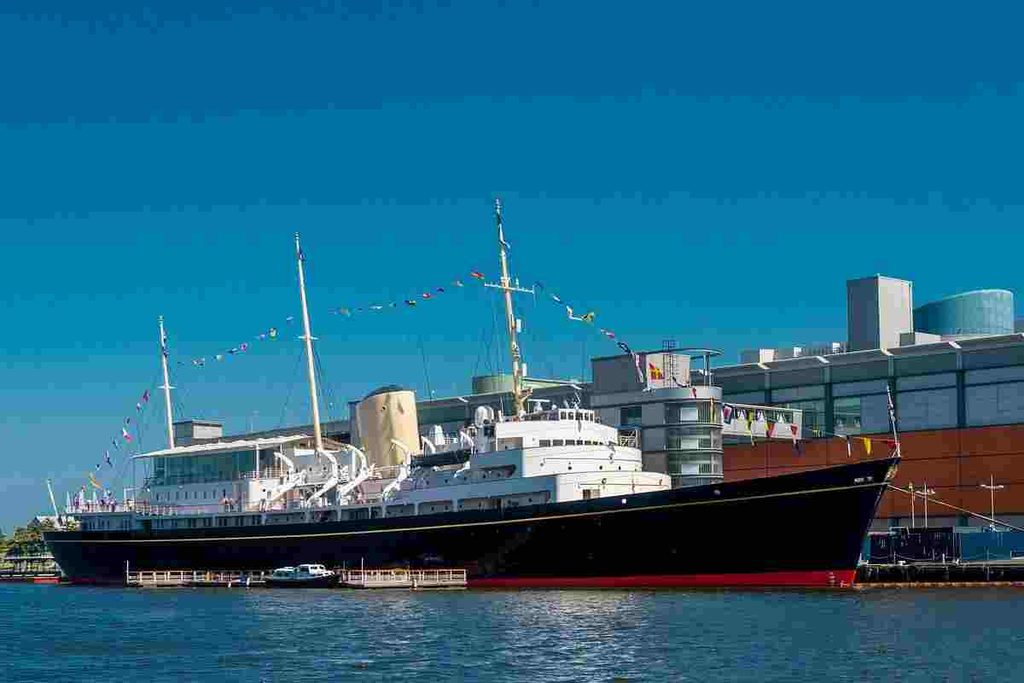
While I was living in Leith, and I’m not about to deny it, I spent more time there than at the centre would, and I don’t know, if there was any other place I’d preferably want to spend more time. That’s the old harbour (the Shore) where converted warehouses and a couple Michelin-starred restaurants appear, and pubs that were serving sailors long before the tourist board came into existence. It’s a proper park and at the end of the street the sea. This sea fog (known by us as the haar) reaches us on summer mornings and can soon obliterate the Forth by lunchtime.
The big difference is the tram. From my years there, Leith Walk was a trench for years and the entire street seemed to be waiting. It opened on 7 June 2023, service commenced with eight stops: Foot of the Walk, The Shore, Port of Leith, Ocean Terminal, Newhaven which was the first tram in 64 years to serve Leith. The trams to Leith began running passengers on 7 June 2023, filling a 64-year gap, with eight new stops. It is the same line that runs through the city as well as out to the Airport where you can disembark and take the tram to Leith.
4. The Shore
Choose your street. The upper (noisy) end of Walk, but around The Shore and Leith Links is beautiful. The chips will be stolen by the seagulls. That’s not a warning, it is just something that I’ve seen happen to many people. Marchmont & Bruntsfield
I had been out before to Edinburgh for my first time – I know of its drawbacks. Marchmont is built from sandstone tenements built 4 stories deep with a common stair, but the panel replaced with a buzzer never functions and the sash windows rattle in gales. If you’re staying in the top floor flat, remember the number of stairs as they’re important after a long day walking.
The trading is an acceptable neighbourhood. Marchmont Road is home to the bakers, the pubs and the place that sells the thing that you forgot people go out to eat at Bruntsfield Place. The public golf course is Bruntsfield Links and is the nicest place in town to have a coffee on the first warm day. Meadows is at the top level and it takes approximately a 15-minute walk to the Royal Mile. Student area: busy in September, a bit hollow in June, the skips arrive outside every close in July and flats turn over in the last week of June.
The park is packed with visitors in the spring for the Meadows Festival. Short-term letting in Scotland requires a licence and when booking a short-term rental place, ask the host for details regarding his or her license.
6. Southside & Newington
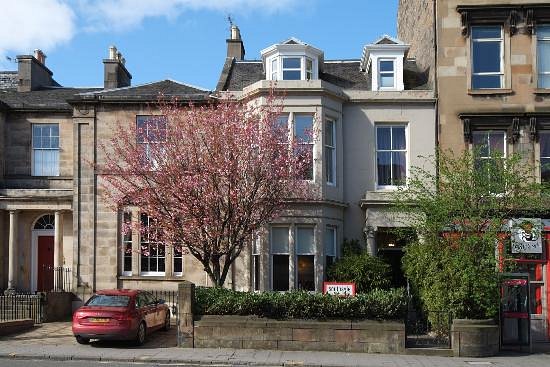
The Southside is the guesthouse belt. Victorian villas along Minto Street and Dalkeith Road are B&Bs with proper cooked breakfasts and rooms that cost less than the centre. Holyrood Park and Arthur’s Seat are close, so a dawn climb is realistic, and you can walk to the Royal Mile in 10 to 15 minutes.
Summerhall and the Pleasance sit at the northern end, so this is a good Fringe base. In July and August the university’s Pollock Halls open for visitors too. The main roads are busy and noisy with traffic, particularly on Dalkeith Road, so ask for a room away from the street. It’s not pretty in the way Stockbridge is, but it works well for the price.
7. Tollcross & Fountainbridge
Tollcross is for people who plan to see lots of shows. It sits between the Meadows, the Grassmarket and Lothian Road, with the King’s Theatre, the Traverse and the Cameo cinema all close by. During the Fringe I’ve walked to three venues in an afternoon from here without once checking the bus times. Fountainbridge, a few minutes further west, has the Union Canal basin, newer flats and chain hotels.
I’ll be straight: it’s not an attractive part of town. The junction is loud and the streets feel functional. But it’s well placed, reasonably priced and flatter than the Old Town, and in August it’s more useful than pretty.
8. West End & Haymarket
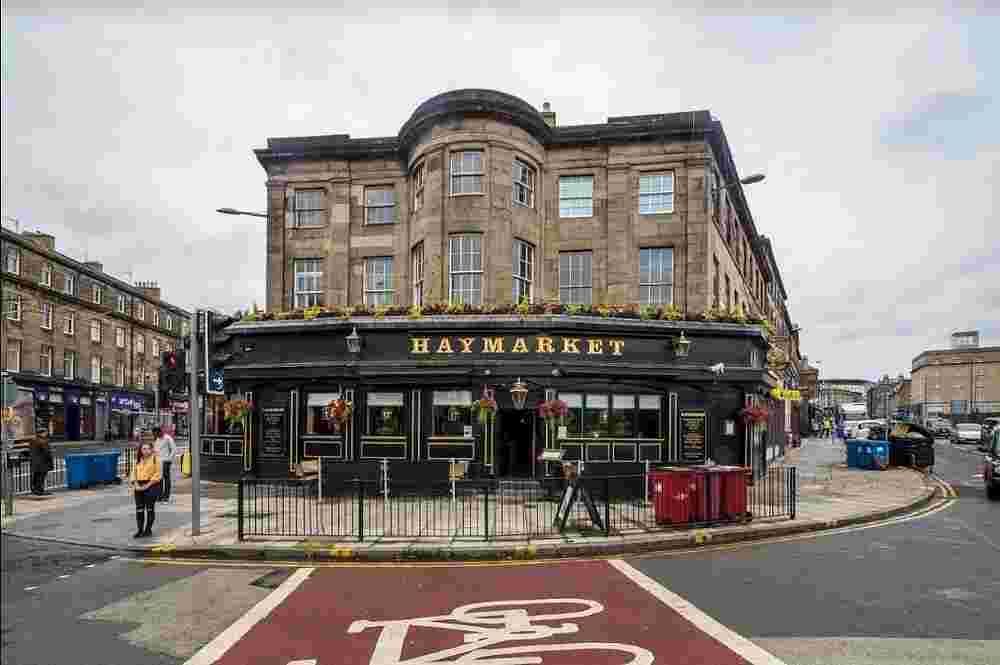
Haymarket is for travellers who care more about logistics than atmosphere. The station has the trains to Glasgow, Fife and the north, and it’s also a stop on the airport tram line. Shandwick Place and Lothian Road bring the chain hotels, the Usher Hall and the conference centre, and Dean Village is a short walk away.
It’s dull at night, especially at weekends when business visitors go home. The thing locals know is Murrayfield: when there’s a rugby international or a big concert, the hotels fill and prices jump, sometimes by a lot. Check the fixtures before you commit.
9. Broughton & Calton
Broughton Street, at the top of Leith Walk, is the busy spine of the city’s LGBTQ+ scene, with independent bars, cafés and shops. It’s within easy walking distance of Princes Street, and a bit cheaper than the New Town. Calton Hill, a few minutes’ climb away, is where I go for sunrise views when I have visitors who insist on early starts.
The Playhouse, the Omni Centre and the Picardy Place tram stop are all close. It gets loud on Friday and Saturday nights, so a quieter room matters here more than in most areas.
10. Portobello
Portobello is for a second visit, or a long first one. “Porty” has a sandy beach, a promenade, Victorian villas and a high street full of cafés. The sea swimmers go in all year, which says something about the place. On a hot weekend it’s packed. In January the wind off the Forth takes your breath, and the haar can swallow the beach altogether.
The bus into town takes about half an hour, depending on traffic, so it’s not the right base for a quick sightseeing break. For a week, it can be the most pleasant stay of the ten.
Before You Book
Check the stairs, ask about floor level and lift access for any tenement flat or Old Town building.
Budget for the visitor levy. Edinburgh has charged a 5% levy on paid overnight accommodation since 24 July 2026. It’s calculated on the pre-VAT cost and covers the first five consecutive nights. The 5% charge applies to the accommodation cost before VAT, for up to five consecutive nights, so five nights at £200 a night adds £50 before any VAT. Check whether the price you’re quoted already includes it.
Use the tram. The line runs from the airport through the city centre to Newhaven, which makes Haymarket, the West End, Broughton and Leith far easier than they used to be.
Plan around August and Hogmanay. These are the two hardest periods to find a room. Book early, and consider the Southside or Tollcross if the centre is full.
Related FAQs
What is the best area to stay in Edinburgh for first-time visitors?
The New Town or the Old Town. Both are walkable to the major sights and close to Waverley station. Pick the Old Town for atmosphere and the New Town for flatter streets and quieter nights.
Should I stay in the Old Town or the New Town?
Stay in the Old Town for a short break if you want the castle and closes on your doorstep and can cope with noise and cobbles. The New Town is the easier option for more than two nights.
Where should I stay in Edinburgh during the Fringe?
Tollcross, the Southside and the Old Town put you closest to most venues. If those are full or too expensive, Stockbridge, Broughton and Leith are a short bus or tram ride away. Book as early as you can.
Is Leith a good place to stay, and is it safe?
Yes, and it’s the area I’d choose for a longer stay. Use the same common sense you would anywhere in a city at night, but I’ve walked home through it for years. The streets around The Shore and Leith Links are the best bases, and the tram makes getting into town simple.
How much is the Edinburgh visitor levy, and does it affect my choice of area?
The levy is 5% of the pre-VAT accommodation cost, charged on the first five consecutive nights, and it applies across the whole city. It doesn’t favour any neighbourhood, but because it’s a percentage it adds more to expensive rooms.

Claire Bennett is a travel writer, editor, and the Founder of All Things Edinburgh. A Journalism graduate from Edinburgh Napier University, she has worked in travel writing and digital publishing for several years, producing destination content focused on Edinburgh and Scotland. Her work combines firsthand local knowledge with thorough research to help travelers make informed decisions. As Editor-in-Chief, she ensures every guide meets the site’s editorial standards for accuracy, clarity, and relevance.